

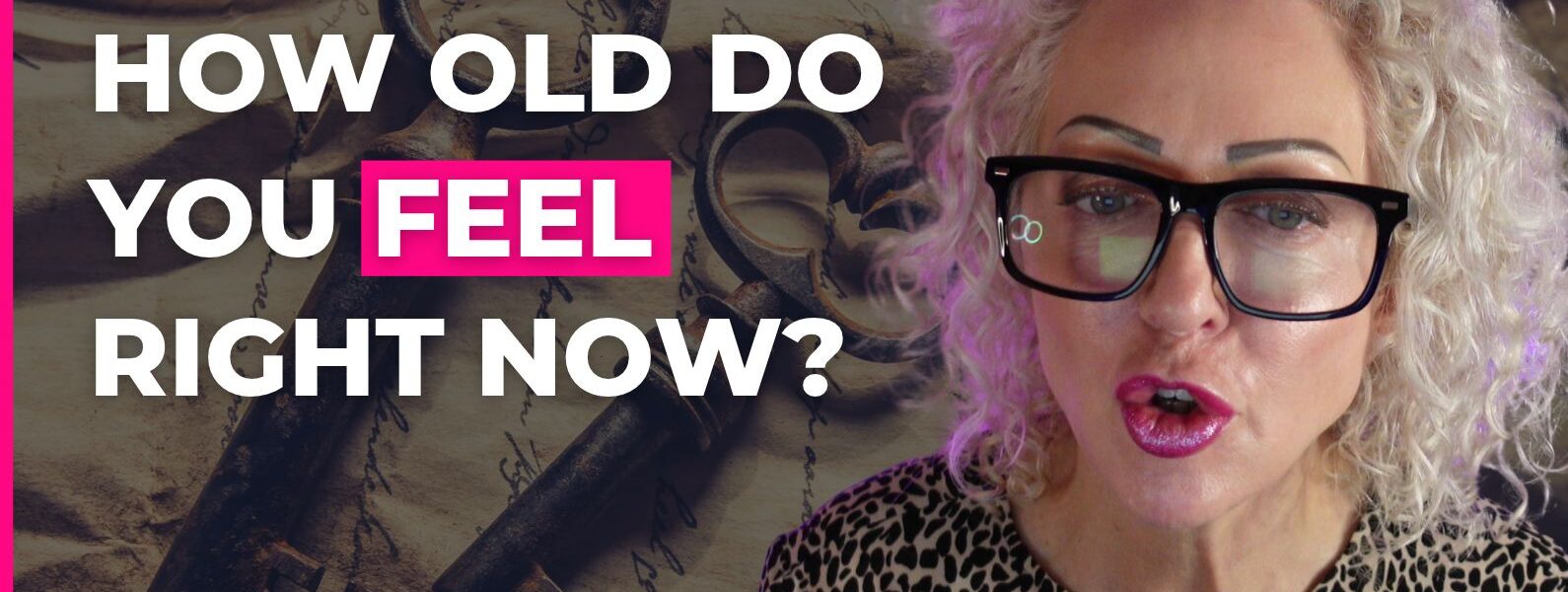


Have you ever walked into a family gathering as a capable adult and, within ten minutes, felt eleven years old again? Do you say “I’m fine” so fast that nobody, including you, has time to check? Are you the one everybody calls in a crisis, without being sure who you would call? When someone you love goes quiet on you, are you suddenly back in that hallway, waiting to find out whether you are still safe? Do you keep being drawn to people who feel familiar, and are you only now wondering whether familiar and good are the same thing?
If more than two of those landed, this one is about you.
In this Moment of Awe, we explore the AstroPsychology of home and belonging: why the fourth house is a feeling rather than a place, what John Bowlby and Mary Main can tell us about the blueprint we carry from our earliest relationships, what this framework sounds like in a real session, and three questions for finding belonging within yourself.
Home Is Not a Place
The fourth house sits at the very bottom of the chart. In our AstroLife Blueprint, we call it the Sanctuary of Soul: the family room of the house, where we retreat for comfort, where our private emotions live, and where the echoes of our family bonds keep sounding long after we have left home. It is the foundation, the part of the building nobody sees from the street, holding up everything that does get seen.
The fourth house belongs to Cancer, and Cancer is ruled by the Moon, the nurturing caretaker. In light, it is empathetic and emotionally aware, the one who brings comfort and calms the room. In shadow, it becomes overly sensitive, moody or withdrawn. So before we have looked at a single chart, we already know what this house is hungry for: safety, belonging, being looked after.
Home is not a place. It is a feeling. And long before we build houses, we build emotional homes inside ourselves.
The Wounded Child Is a Protector
The archetype of the fourth house is the Wounded Child, the Protector. In AstroPsychology, we never judge an archetype. We ask it three questions.
What is your purpose? To hold on to past wounds and family patterns as a way of keeping emotional security. If I remember exactly what hurt, it can never take me by surprise again. What is your secondary gain? An identity rooted in the past. It feels familiar, and it explains why I am the way I am. What are you protecting me from? The fear of facing unresolved family wounds, and the fear of feeling emotionally unmoored, with no ground under my feet at all.
Those three questions turn something a client is ashamed of into something they can be curious about. The Wounded Child stops being a flaw and becomes a loyal protector, still guarding a house the client moved out of years ago.
The Story Can Change
This is not only symbolism. In the 1950s and 60s, the psychiatrist John Bowlby described what he called internal working models: a blueprint, built in our earliest relationships, that answers three questions. Am I safe? Will someone come when I need them? Am I worth looking after? We carry that blueprint into every relationship we ever have.
And here is the hopeful part. The psychologist Mary Main and her colleagues found that what predicted an adult’s security was not simply what happened in childhood. It was how coherently they could tell the story. People who had genuinely difficult beginnings, and had made sense of them, were described as earned secure. Researchers still debate exactly how to measure that, but the direction is clear. The story can change.
Running Her Childhood Home, With a Bigger Staff
Here is what this sounds like in a session. This client is a composite of several people I have worked with, so nobody is identifiable. She is in her forties: senior, capable, respected, and exhausted, because she cannot stop doing everybody’s work for them. In her AstroLife Blueprint, the Moon sits right inside her fourth house.
Ask her what is stopping her from delegating, and she will give you a perfectly good answer. My team is not ready yet. It is quicker if I do it myself. All true, and none of it the real reason. So I asked her: who did you have to look after, before anybody looked after you?
She went very still. Then she said, my mother. From about eight years old. Back then, looking after everyone kept the house calm. Now it means everybody needs her, and nobody can leave if they need her. And if she stopped? Very quietly, she said: that I am on my own.
She is not running a team. She is running her childhood home, with a bigger staff. I did not interpret her chart, diagnose her or give her advice. I asked four questions, and she found the answer herself. And because she found it, she owns it.
Three Questions for the Fourth House
You do not need your chart for these. Pause and write your answers down.
Where do you feel emotionally unseen or misunderstood? Not by strangers, but by the people closest to you.
How has your upbringing shaped your sense of safety and belonging? What did that house teach you that you had to be, in order to be safe? The helper. The quiet one. The strong one. The one who never needed anything.
How can you nurture yourself more deeply? Choose something small and real you could do this week. Not because you have earned it, but because nobody gave it to you then, and you can give it to yourself now.
And one practice to carry with you. The next time you react more strongly than the moment deserves, ask yourself: how old do I feel right now? If the answer is seven, or eleven, the feeling is older than the moment. It is coming from a house you no longer live in.
Becoming Home
The guiding thought for the fourth house is this: I am safe. I belong. I nurture myself with love.
Many people spend their lives trying to find home, only to discover they were meant to become it.
What if you were never too sensitive, only very, very loyal to the home that raised you?
Because the more human we are with each other, the more we all rise.
You can watch the video of this episode on YouTube.
If you are a coach, therapist or practitioner and want to bring this framework into your work, explore the AstroPsychology Practitioner Programme. It covers all twelve houses, the planetary archetypes and the AstroLife Blueprint, and it is approved for 40 ICF Continuing Coach Education units. Our next cohort begins on 18 January 2027: https://riseandthriveglobal.com/astropsychology-practitioner-programme/
Or book a 20-minute clarity call, just a conversation, to see whether this belongs in your work: https://calendly.com/catherineplano/meet-greet
If you have been having the same conversation with yourself for weeks, meet Bridget, your AI coach. She asks rather than tells, and the thinking stays yours: https://bridget.riseandthriveglobal.com/
Newsletter: Catherine Plano for transformation.
Instagram: @catherineplano for inspiration.